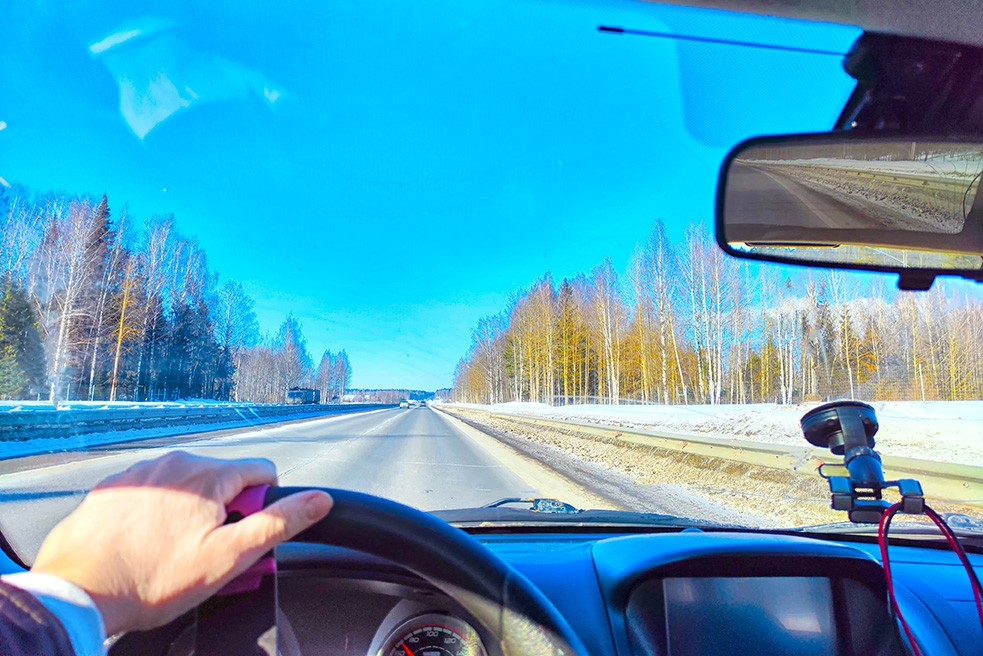
March weather brings welcome relief from the harsh and demanding conditions of winter driving.
Did your vehicle encounter road debris or potholes? Did the windshield suffer any cracks or chips? How many devices and accessories were taxing the electrical system?
Unbalanced wheels, damaged tires, poor alignment, corrosion, worn out wiper blades, strained battery–the list is long for post-winter upkeep.
The National Highway Traffic Safety Administration recommends that drivers have their vehicles inspected by qualified service professionals as seasons change. NHTSA emphasizes the importance of ensuring a vehicle’s road worthiness, especially as the switch from cold to warm weather encourages frequent travel and long-distance road trips.
Here’s a checklist to make sure your car is reliable and road ready:
1. Vehicle performance. Take a short drive to confirm all safety tech features are functioning properly.
Do you hear unusual sounds when you press the brake pedal? Scaping and screeching sounds when you apply the brakes may mean worn out brake pads, but the problem could indicate other issues with the braking system, too.
Visual queues help identify problems to discuss with your advisor. Do the brakes feel spongy or go all the way to the floorboard when pressed? Are the headlights dull or misaligned? Does your vehicle pull to one side or the other? Can you see clearly out of the back-up camera?
2. Tires. If you haven’t checked them since celebrating the New Year, your tires may need some attention. Under or overinflation causes uneven tread wear. By the time a problem shows up on the tire pressure monitoring system, your tires may already show signs of damage.
Remember, tires can lose up to three pounds of pressure every month under normal use. Damaged tires–from road debris, hitting a curb, problems with inflation stem–may go noticed for weeks before triggering a warning light.
Recommended tire pressure is listed on your driver’s door frame or owner’s manual. Properly inflated tires improve fuel economy and provide better stability on wet spring roads.
3. Vehicle battery. Batteries work overtime during the darker months–powering seat heaters, defrosters and other amenities. They also carry the load for mobile devices and other electronic accessories.
Before heading out on spring road trips, ask your advisor for a battery check-up. Clean off corroded terminals and conduct a battery charge test.
4. Inspect alignment and suspension. Winter potholes and ruts can throw off your wheel alignment and interfere with vehicle sensors.
Alignment issues can cause your vehicle to pull to one side or vibrate at highway speeds. A calibration realigns the wheels and ensures driving sensors work seamlessly.
5. Cabin air system. Run the A/C system to ensure it's free of musty odors and is working properly before hotter days arrive in late spring.
Also, winter grime and spring pollen can clog your vehicle cabin air filter and reduce air quality. Ask your service technician to install a new cabin air filter in March to help you breathe easier on your next road adventure.
6. Braking system. Road salt and grime corrode brake lines, rotors and calipers. Moisture from winter months may have seeped into the brake fluid and affected your vehicle’s stopping power.
Ask your advisor if it's time for a fluid replacement or brake pad replacement before your spring excursions.
7. Wiper blades. Wiper blades work hard all winter to keep your windshield clean and streak free.
Replace old or damaged blades to avoid jagged edges from scratching your windshield and to prepare for spring rains. Chances are the wiper fluid tank also needs to be refilled. Inspect the washer nozzles for clogs and alignment.
8. Windshield. Do you notice any cracks or chips? Temperature fluctuations of spring can cause them to spread, leading to expensive windshield replacement.
Some cracks require windshield replacement. Chips can be repaired. Find out if chip repair is covered under your vehicle insurance policy.
9. Hoses and fluids. Rubber hoses stiffen, crack or loosen around their fittings. Ask a professional to check for soft spots, bulges or damp areas that may indicate leaks or wear.
Essential fluids also need a review after winter driving. Brake, power steering, transmission and coolant fluids can get contaminated, evaporate or leak from seals or cracked hoses. Older fluids may need to be flushed and replaced for proper engine maintenance.
10. Lighting. Headlights take harsh weather head on. Look for cracks, pits and hazing. Moisture in the headlight assembly degrades performance and reduces nighttime visibility.
For vehicles with halogen lights, exposure to road salt can damage bulbs. Extensive use during winter months also diminishes bulb brightness. A new set of bulbs offers an inexpensive way to improve visibility and driving safety.